
First off, I just want to say that the best thing is to ask. All people and situations are different, and I don’t want to speak over someone else or their experiences. However, from my own experience and understanding of accommodation for a person with disability, there are certain things that I can say are almost universal. I will talk about those things here.
First, I want to talk briefly about my own experiences
I have several disabilities and diagnoses, both psychological and physical ones. However, in this post I will focus on the physical first and foremost:
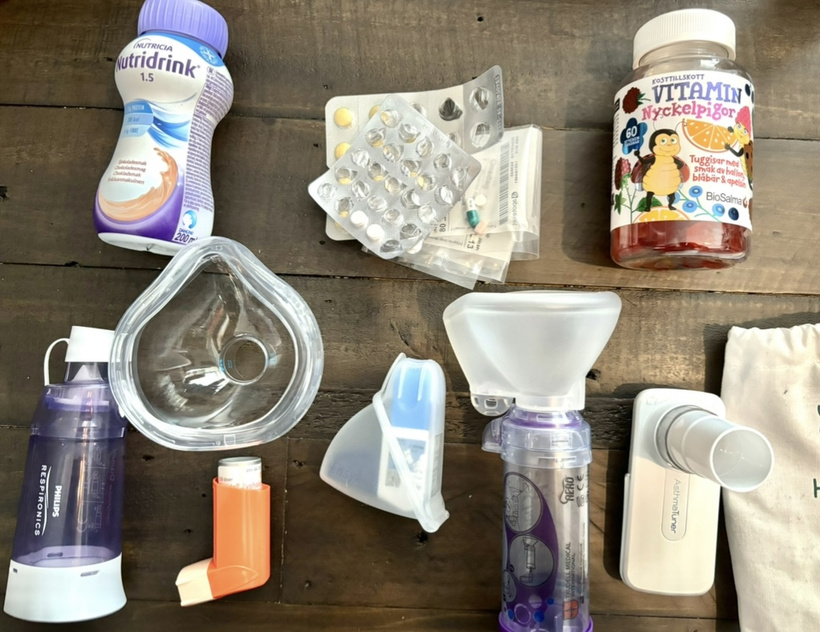
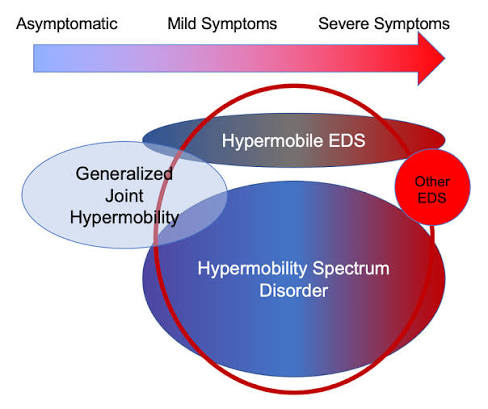
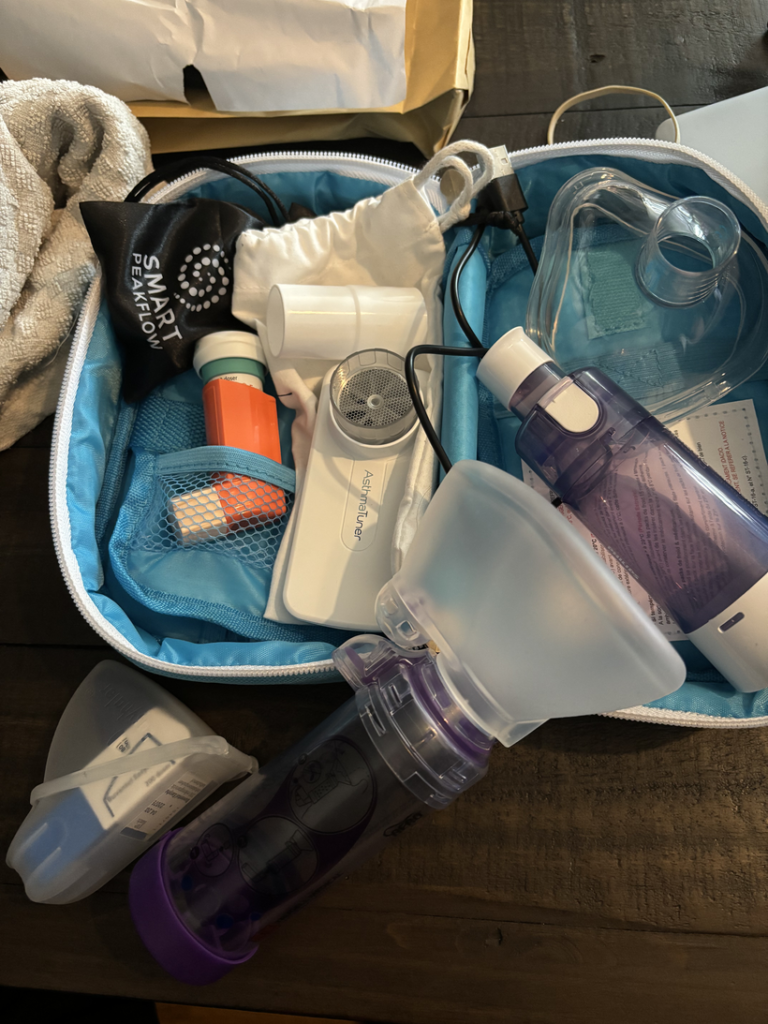
My main diagnosis is HSD – Hypermobility Spectrum Disorder; however, it’s so severe that some doctors think it’s also EDS (Ehlers-Danlos syndrome) as well, or the EDS type of hypermobility. Unfortunately, EDS is hard to diagnose for non-white patients (I mean, how can I, as a brown person, have translucent skin?! That’s literally a criterion!) and that’s the only reason I got both HSD and EDS as separate diagnoses (EDS is still in evaluation and I don’t know what they’re doing, really) and not a diagnosis like, for example, hEDS (Hypermobile Ehlers-Danlos syndrome). HSD/EDS is a connective tissue disorder that affects joints and muscles but also internal organs. I have painkillers as well as an inhaler since this is not just about pain; it’s also about internal stuff, like my lungs are the worst!
I also have PMOS – Polyendocrine Metabolic Overy Syndrome; formally inaccurately called PCOS (Polycystic Ovary Syndrome), which is an endocrine diagnosis that causes me to not get any periods (like at all!), I have a hard time with my weight and blood sugar/insuline (I’m on diabetic medication without even having diabetes because it also helps people with PMOS), and I’m clinically infertile and have a lot of problems with my abdomen and metabolism. Such as a swollen stomach, etc. I also have a higher level of testosterone hormone, so I grow a lot of hair on my face and head and it also affects my body’s muscles and my face structure, like my jaw.
Additional diagnses are POTS (Postural Orthostatic Tachycardia Syndrome), and I’m currently on heart medication for it, although they’re still working on a “formal” diagnosis. I used to have asthma, but this is in the evaluation process as well since it can be EDS and my doctor thinks that because it doesn’t really get better with long-term medication, it might not be asthma in the end. We also suspect MCAS (Mast Cell Activation Syndrome) since I get random allergic reacons/seizures and have had that my entire life.
Now, let’s go over what you can do to help someone with a chronic illness. Because you can spark hope in someone’s otherwise difficult day!
Accommodation 1: Ask how someone feels
Sometimes we do it without expecting an honest answer. If you know someone with a disability has a difficult time, be prepared to listen to them instead of dismissing their answer. If you ask the question, you should be prepared for any answer, not just the fluffy, white-light good ones!
Accommodation 2: Ask before helping (so you can help correctly)!
If you see someone struggling, please go to them, say your name, and most importantly: ask them if they need help before just touching their body or their mobility aid to help them. If they say yes or in any other way communicate that help is needed, please ask them what they want you to do and always say what you’re going to do before doing it.
It can be very scary to be in a position where someone touches you without you expecting it or does something unexpected, even if they’re trying to help. So always ask for instructions, be willing to listen, and communicate your every step in the “helping process”!
Please take this as your invitation to help someone. I really want to be clear that you really should help them! However, it’s important to know how someone wants to be helped in the best way possible. That is key.
Accommodation 3: Help them even if it’s not done by you
If you can help, do so or refer them to someone who can help them if you’re not able to. Just standing by or refusing to help is mean. We shouldn’t live in a world where we don’t even have the time to find help for a person in need if we’re not able to help them ourselves.
If you see someone struggling, but say you have a back problem (as an example), ask someone else on the street or in a shop or whatever, really, if they can help instead of you!
Accommodation 4: Give support and space
Please give your seat on the bus, train, or tram to someone in need if you can. Please don’t honk at someone who walks slowly over a crosswalk (even if it is a young person) because you don’t know what they’re dealing with. Please give space and support if you’re able to, without expecting them to return the “favor”. Some people who are less fortunate already feel bad when they ask about support.
Accommodation 5: Don’t give unsolicited advice!
We’re very tired of hearing what we can do to “improve” the situation, and yes, I’ve heard about yoga and sleep. It’s always such a disappointment when people think you haven’t tried everything in your power to improve yourself.
Accommodation 6: If possible, keep your annoyance to yourself
At least on bad days! We already feel like burdens a lot of the time, so if you get annoyed at our pain or fatigue, or we cancel a meeting for the second day in a row, please know it’s more difficult for us than it is for you… I have lost so many friends due to this!
Accommodation 7: Don’t expect everything to be visible
There are a lot of “invisible” disabilities out there. Never expect that just because a person asks you to give up your seat on the bus, that their disability must be visible or “obvious”. Nobody really wants to just take someone else’s seat! Be kind and expect that they have a reason to ask for support.
xx
Leave a Reply